Achieve 100% Germination: Your Comprehensive Heat Mat & Thermometer Setup Guide
The anticipation of a new growing season, with its promise of lush greens and vibrant blooms, often begins long before the last frost. For many gardeners, this journey starts indoors, where tiny seeds are coaxed into life. While the idea of growing plants from scratch can seem daunting, achieving a near-perfect germination rate is entirely within reach with the right tools and a little know-how. This comprehensive guide will show you precisely how to use a heat mat and thermometer for seed germination, transforming your seed-starting success from hit-or-miss to consistently spectacular.
Imagine a tray of seedlings, every cell boasting a healthy sprout, just days after planting. This isn't a gardener's fantasy; it's a reality made possible by understanding and controlling the fundamental conditions seeds need to thrive. By providing consistent, optimal warmth, you can significantly accelerate the germination process, ensuring more seeds sprout, sprout faster, and grow into robust young plants ready for your garden.
The Power Duo: Heat Mats & Thermostats for Germination
At the heart of successful seed starting lies precise temperature control, and that's where the dynamic duo of a heat mat and a thermometer comes into play. These aren't just accessories; they are critical components for creating the ideal microclimate for your seeds.
Understanding the Seedling Heat Mat
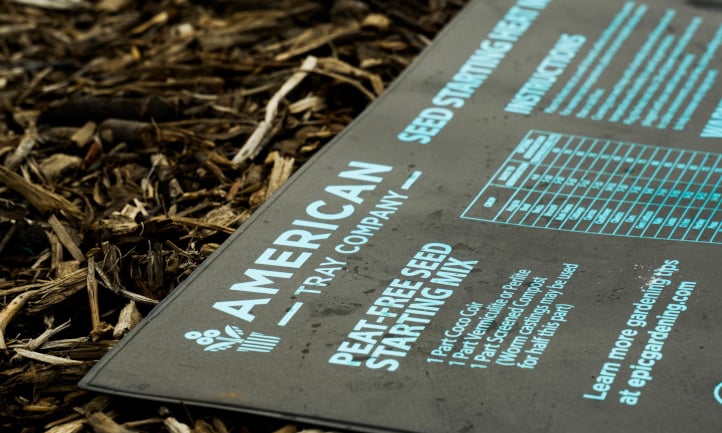
A seedling heat mat is a specialized, waterproof heating pad designed to provide gentle, consistent warmth from below. Unlike ambient room heaters, which warm the air, a heat mat focuses its energy on the soil medium itself. This "bottom heat" is crucial because it mimics the naturally warm soil conditions of late spring or early summer, signaling to the seed that it's safe to emerge.
- Accelerates Metabolism: The elevated temperature speeds up the metabolic processes within the seed, breaking down stored energy reserves and initiating growth.
- Improves Germination Rates: By maintaining a stable, ideal soil temperature (often 10-20°F above ambient room temperature), heat mats drastically improve the percentage of seeds that successfully sprout.
- Decreases Sprouting Time: Many seeds that might take weeks to germinate in cooler conditions can sprout in a matter of days when given optimal warmth. This saves valuable time and allows for earlier transplanting.
While some basic heat mats offer a fixed temperature increase, the most effective setup involves a heat mat paired with an external thermostat. This combination gives you granular control over the soil temperature, allowing you to dial in the exact warmth needed for your specific seed varieties.
The Indispensable Role of a Thermometer and Thermostat
Simply plugging in a heat mat isn't enough for optimal results. To truly master the art of germination, you need precise temperature monitoring and control. This is where a reliable thermometer and, ideally, an external thermostat become invaluable.
- Precise Temperature Regulation: An external thermostat works by cycling power to the heat mat on and off, maintaining a specific, consistent soil temperature that you set. This prevents the mat from overheating or cooling down too much due to ambient room fluctuations.
- Accurate Monitoring: While some heat mats have built-in digital temperature displays, it's wise to use an additional, quality soil thermometer. This allows you to cross-reference readings and ensure the temperature at the seed level is truly accurate. Skip the cheapest options; investing in a good soil thermometer ensures reliability.
Together, the heat mat and thermostat create a stable, warm environment that encourages rapid and uniform germination, laying the foundation for strong, healthy seedlings.
Setting Up Your Germination Station: Step-by-Step
A proper setup is essential for both the efficiency and safety of your heat mat system. Follow these steps to create an ideal environment for your sprouting seeds.
- Choose Your Location Wisely:
- Stable Surface: Place your heat mat on a flat, sturdy, and dry surface, such as a countertop or table.
- Avoid Drafts: Keep it away from cold sources like exterior windows or air conditioning vents, which can counteract the mat's heat and make it work harder.
- Safety First: Ensure the heat mat is rated as water-resistant or waterproof. Water is an inherent part of seed starting, so take care to keep all electrical cords and plugs dry.
- Position Your Seed Trays:
- Place your seed trays or individual pots directly onto the heat mat's surface. Many gardeners use a bottom watering tray underneath the seed trays, which serves to catch excess water and can also act as a reservoir for passive watering.
- Employ a Humidity Dome:
- A clear plastic humidity dome is highly recommended when using a heat mat. The warmth from the mat increases the rate of evaporation from the soil, meaning your containers will dry out much faster without a dome.
- The dome traps moisture and heat, creating a miniature greenhouse effect that maintains the high humidity necessary for seeds to soften their outer coats and sprout effectively.
- Daily Maintenance: While the dome reduces the need for frequent watering, check the soil daily to ensure it remains consistently moist, not soggy. Importantly, lift or vent the dome briefly each day to allow for air exchange and prevent the buildup of stagnant moisture, which can lead to fungal issues like "damping-off."
- Place the Thermostat Probe Correctly:
- If you're using an external thermostat, proper placement of its temperature probe is critical. Insert the probe directly into the soil medium in one of your seed cells, ideally at the same depth as your seeds. If you have an empty cell, that's a perfect spot.
- This ensures the thermostat is measuring the actual soil temperature where your seeds are located, not just the air temperature or the mat's surface temperature.
Mastering Temperature Control for Optimal Sprouting
Once your setup is complete, the next step is to set and maintain the ideal temperature for your seeds. This is where precision pays off.
- Determine Your Optimal Temperature:
- While a general range of 65-80°F (18-27°C) is suitable for many vegetable and flower seeds, specific seeds have their own preferred germination temperatures. Many common garden vegetables, for instance, thrive at around 75°F (24°C).
- Consult seed packets or reliable gardening resources for the specific temperature requirements of what you're growing. For a deeper dive into ideal temperatures for various seeds, you might find Unlock Rapid Seed Sprouting with Optimal Heat Mat Temperatures to be an invaluable resource.
- Set Your Thermostat:
- Adjust your external thermostat to the desired soil temperature.
- Initially, monitor the system closely for the first 24 hours. Cross-reference the thermostat's reading with your separate soil thermometer to confirm accuracy and make any minor adjustments.
- Daily Monitoring and Adjustment:
- Check the soil temperature daily using your auxiliary thermometer. Even with a thermostat, external factors can sometimes influence readings.
- Ensure the soil remains consistently moist but never waterlogged. The heat from the mat will cause the soil to dry out faster, so regular checks are important.
- If you notice the temperature deviating significantly, recheck the probe placement and adjust the thermostat as needed.
By consistently providing the perfect warmth, you empower your seeds to germinate with remarkable efficiency, often resulting in that coveted 100% germination rate.
Beyond Germination: What Comes Next?
The heat mat and thermometer are primarily tools for germination. Once your seeds have successfully sprouted and, ideally, developed their first set of "true leaves" (the leaves that appear after the initial cotyledons), the role of the heat mat changes, or may even conclude.
- Removing the Heat: Most seedlings do not require bottom heat once they have germinated. In fact, prolonged heat can sometimes encourage leggy growth. Once a significant portion of your seeds have sprouted, you can often remove the trays from the heat mat, or switch off the mat itself.
- Light is Key: Post-germination, light becomes the most crucial factor. Provide ample light using grow lights to prevent seedlings from stretching and becoming weak.
- Continued Care: Maintain consistent watering, provide good air circulation, and eventually thin out crowded seedlings.
- Hardening Off: Before transplanting outdoors, remember to gradually acclimate your young plants to outdoor conditions through a process called "hardening off."
Mastering germination is just one step in the rewarding journey of seed starting. For a broader overview of tools that will support your seedlings from sprout to garden, explore Essential Tools for Seed Germination: Heat Mat, Thermometer & Humidity.
With a quality heat mat and an accurate thermometer, you're not just planting seeds; you're investing in a higher success rate, healthier plants, and a more abundant garden. This simple yet powerful setup demystifies the germination process, making it accessible and highly rewarding for every gardener.
